
Introduction
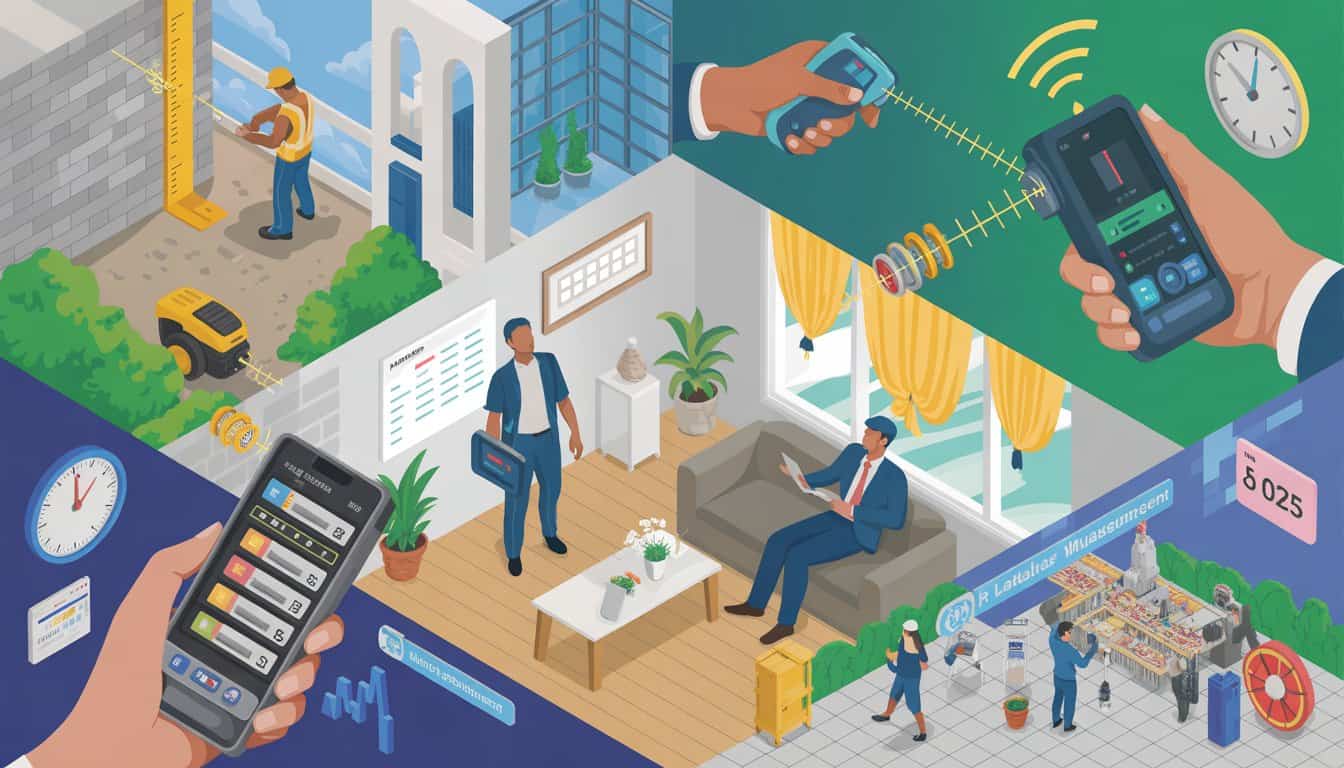
I remember the first time I swapped my old tape for a laser measurement tool—wah, the speed and accuracy felt next level. In Malaysia’s current 2025 build-and-reno landscape, timelines are tight, costs are rising, and teams are more distributed. Whether you’re a contractor in Johor Bahru, an interior designer in KL, or a facility manager keeping malls humming in Penang, the right laser measurer saves hours and avoids leceh rework. In this deep dive, I’ll explain how the tech works, why accuracy is solid, where the real benefits appear, and how I use it day-to-day. I’ll also highlight where it scales—from solo jobs to multi-site operations—and how today’s Bluetooth apps play nicely across phone and tablet screens. If you’re comparing options, relax; I’ll point out what to check so you can choose smarter. For quick reference as you explore, this is the kind of laser measurement tool I lean on in my workflow.
Introduction to Laser Distance Measurers
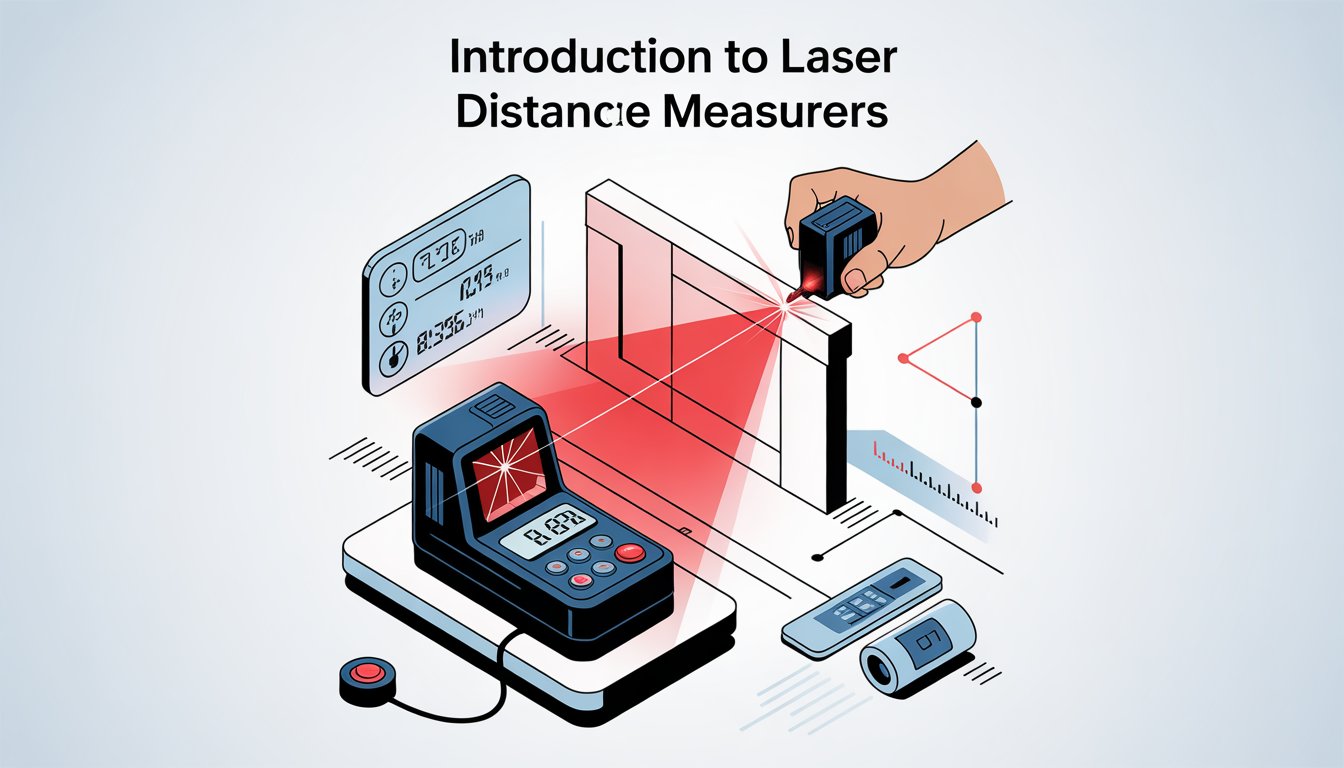
Before diving into the pros and cons, it helps to get the basics right. A laser distance measurer (sometimes called a laser rangefinder) replaces the tape with a focused beam to calculate distance instantly. Modern models add area, volume, and continuous tracking modes, and some even store measurements, capture photos, or sync straight to drawing apps. Let me quickly break down what it is and how it actually works, focusing on key features that make these tools indispensable for professionals in Malaysia’s construction and renovation sectors.
What is a laser distance meter?
A laser distance meter is a handheld device that emits a low-power laser to measure the distance between the device and a target surface. Most models are pocketable, ruggedized, and designed to be used one-handed—very handy when you’re balancing on a ladder, kan. They typically display readings in meters or millimeters with options to calculate area and volume without manual maths. Many newer units include Bluetooth and a companion app so measurements can be saved, tagged to rooms or drawings, and shared instantly with the team. This integration enhances workflow efficiency, especially in collaborative projects across different locations in Malaysia.
How does laser measurement work?
Under the hood, the device uses time-of-flight or phase-shift principles to figure out distance. In time-of-flight, the device measures how long it takes for the laser pulse to hit the target and bounce back. In phase-shift, it compares the phase of emitted and returned light to derive distance with very fine resolution. Either way, you get a near-instant reading on the screen, and with good targets and proper technique, the accuracy is solid enough for most construction, fit-out, and facilities tasks. These methods ensure that laser measurement tools provide reliable data, reducing errors that are common with traditional measuring tapes.
Accuracy and Advantages
Everyone asks, “Can I trust the numbers?” My short answer: yes—within the rated conditions. Accuracy depends on the device class, range, and environment (lighting, surface reflectivity, and stability). But compared to tapes—where sag, angle, and human error creep in—lasers reduce a lot of guesswork. Let’s talk about how accurate they get, and why that matters for speed and budget in Malaysia’s fast-paced construction industry.
How accurate is laser measurement?
Most reputable models claim ±1.5 mm to ±3 mm under standard test conditions, which is more than enough for site measures, cabinetry planning, tiling, and space planning. You’ll see tighter specs on premium units and slightly looser specs on entry-level ones, especially at longer ranges. Surface quality affects results; glossy or very dark surfaces can scatter or absorb the beam. I usually carry a foldable reflective target card for tricky walls—simple trick, better returns. Wind and hand-shake rarely matter indoors, but outdoors at long range, a tripod or 2-second delay timer helps. Overall, these factors make laser measurement tools highly reliable for precise tasks in various Malaysian environments.
Are laser measure tools accurate?
In my experience, yes—so long as you follow best practices and stay within the device’s rated range. I always take two quick readings and average if something looks off, which takes seconds but boosts confidence. For long corridors, I use continuous mode and walk slowly until the readings stabilise, then lock the value. Compared to tapes, I’ve cut out a lot of human error, especially on diagonals or high ceilings where a helper is normally “kena hold” at the other end. Calibration routines—either built-in or via a service check—keep the device honest over time. This consistent accuracy is crucial for professionals aiming to minimize rework and ensure project efficiency.
To help you compare options quickly, consider the different tiers of laser measurement tools available in Malaysia. Entry-level models typically offer ranges up to 30–40 meters with ±3 mm accuracy, including basic features like area and volume calculations and a backlight, priced around RM150–RM350. Mid-tier options extend to 50–100 meters with ±2 mm accuracy, adding Bluetooth connectivity, app logging, and timers, costing RM350–RM900. Professional-grade devices go beyond 100 meters with ±1.0–±1.5 mm accuracy, featuring tripod mounts, cameras, zoom capabilities, and robust IP ratings, ranging from RM900 to over RM2,500. When deciding between tiers, think about your longest typical shot, indoor vs. outdoor usage, and whether you need app syncing for multi-device teams. The moment you start sharing measurements across projects or sites, the mid to pro tiers pay off fast in terms of time saved and improved collaboration.
What are the advantages of laser measures?
The biggest win is speed: you can tap, shoot, and log in seconds, even when working solo. Consistency is another: the device measures straight lines without sag or bend, so your numbers are repeatable across crews and days. Safety also improves—you can measure ceiling heights or across voids without climbing or stretching. From a scalability point of view, Bluetooth plus cloud apps let you standardise measurement naming, attach photos, and sync to drawings so multiple teams stay aligned. And with today’s responsive app designs, measurements render nicely on both phones and tablets, so the same data is usable on-site and in the office—very syok for handover meetings. These advantages make laser measures essential for enhancing productivity in Malaysia’s diverse construction and renovation projects.
Practical Usage and Tips
In real projects, small habits make laser tools shine. I set a quick routine: check measurement reference (front or back of device), steady the hand or use a timer, aim for solid surfaces, and label results on the spot. When I’m working with designers or QS teams, I sync via the app so everyone gets updates live. Here’s how it plays out on site and the most common use cases I see around Malaysia, with tips to optimize your workflow using these laser measurement tools.
How does a laser measure tool work in real scenarios?
On a condo refurb, I start by mapping out room dimensions using area mode, then I do ceiling heights and unusual diagonals for cabinetry. Continuous mode helps when I’m sliding along a wall to capture the shortest width—great for odd-shaped rooms in older buildings. For long corridors or atriums, I’ll switch to a 2-second timer, place the device on a stable surface, and let it fire hands-free to avoid tiny shakes. Outdoor measurements, like façade checks, need brighter targets or a device with a viewfinder; a small tripod makes readings steadier against glare and wind. With Bluetooth, I push readings into a floor-plan app, tag them by room, and the team can review on tablets—no more WhatsApp photo chaos, lah. This seamless integration ensures accurate and efficient measurements in various real-world applications across Malaysia.
Common applications for laser distance measurers
Renovation and fit-out work is the most obvious: quickly capturing room sizes, wall-to-wall spans, and heights for joinery or M&E routing. Facility management teams use lasers for space audits, leasing measurements, and snagging—fast checks of door clearances, corridor widths, or ceiling services. Contractors rely on them for quick take-offs, verifying material runs, and sanity-checking drawings against reality before pouring or installing. In retail rollouts, a standardised measurement method across multiple store locations keeps nationwide fit-outs consistent; measurements captured in one city can be reviewed by HQ the same day. Event and exhibition setups also benefit: it’s easy to plot booth dimensions, walkway widths, and truss heights in a big hall without wrangling a 50 m tape. Real estate agents and valuers use lasers to verify internal areas during inspections—saves time and reduces disputes. Across these scenarios, the common thread is scalability: once your team adopts a standard device and app workflow, you can replicate the process across sites, track revisions, and keep a clean audit trail from pre-measure to final handover.
Frequently Asked Questions
Can I use a laser measure outdoors in bright sunlight?
Yes, but you’ll likely need a device with a viewfinder or a target plate to see the dot clearly. A tripod or timer helps stabilise long shots, and higher-end models handle glare better at distance. It’s also advisable to measure during less intense light conditions if possible, or use reflective targets to improve visibility. Overall, with the right accessories, outdoor use in Malaysia’s sunny climate is entirely feasible and effective.
How do I keep readings consistent across a team?
Standardise settings like measurement reference (front/back), units, and naming in the companion app. Sync to a shared project so everyone sees the same measurements on phones and tablets. Establish team protocols for verification, such as double-checking readings in critical areas. This approach ensures accuracy and collaboration in multi-site projects across Malaysia.
Do I need a pro model for small apartments?
Usually not. An entry or mid-tier model with 30–50 m range and ±2–3 mm accuracy is plenty for most condo and terrace house work. These models provide sufficient features without the extra cost of professional-grade options. For occasional larger spaces, you can always upgrade later if needed.
What maintenance does a laser measurer need?
Keep the lens clean with a soft cloth, avoid drops, and store it in a case. Periodic calibration checks—either built-in or via service—ensure long-term accuracy. Additionally, check battery levels regularly and replace as needed to prevent interruptions during use. Proper maintenance extends the device’s lifespan and reliability in demanding Malaysian work environments.
